Home BuyersHome Selling August 29, 2022

Advice For Real Estate Agents, Buyers And Sellers Heading Into 2022

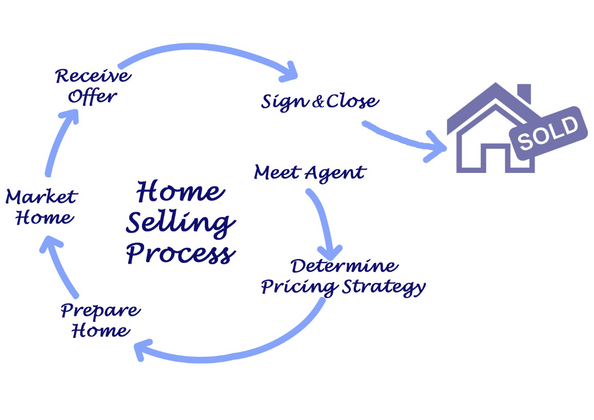
2021 is a strong seller’s market — and we expect that trend to continue in 2022.

A combination of factors, including historically low mortgage rates and a shortage of available homes,

has continued to drive up sales prices and buyer demand. 

As we prepare for the new year, now is an ideal opportunity to reflect on the small actions agents, buyers and sellers can take to finalize the best deal. 


When working with buyers:

• Research before calling the listing office.

In a highly competitive market, the listing agent has a lot of influence in a sale. Do some research before calling them, even if it’s just reading the showing instructions in the MLS. Don’t make the listing agent responsible for giving you information you should already have access to. 


• Don’t lead with negativity.

I’m always surprised when an agent calls about a property and immediately jumps into criticisms like: “What’s wrong with this neighborhood?” or “That roof needs replacing.” If we’re expecting 12 offers on a house, and you rub us the wrong way from the start, your offer likely won’t make it to the top of the list. At minimum, the negativity will be shared with the seller before they make a decision.

• Ask helpful questions.

Agents often call and only ask, “Why are they selling?” Learn to ask better questions that will help the buyer and the seller make a deal, such as: “Other than price, is there anything that would help this make a great sale for the seller?” or “Is there anything that the seller would like us to know about their situation or the home before making an offer?”


• Remind buyers not to talk in the house during the showing.

Some homes have audio or video recording, and an offhand negative comment can get you excluded from consideration. Tell your clients to quietly take notes that you can discuss back at your office. 

When working with sellers:

• Watch the market.

Establish a consistent way to track the market every day. I have a search set up in the MLS for every area where we do business, and every morning I print out the results for my team. We see all activity in the entire market at a glance. For instance, in July, we saw around 50 genuine new listings every day. Now we’re seeing about the same number, but 75% of them are price-reduced listings, not new. This practice helps us sense trends in real time and explain them to our clients — like why we may need to list their home at $725,000, not $800,000, if they ultimately want multiple offers and a $800,000 sale. 

• Broker the deal. 

It’s an emotional time in our industry, and many of us are burnt out, but your job is to remove as much stress from your clients as possible. Be a professional, broker the deal and check your emotions at the door.

Buyers

• Get pre-approved, not pre-qualified.

Getting pre-qualified for a loan means you have supplied a lender with an overview of your financial information and received an estimate of how much you might be able to borrow. Getting pre-approved requires you to send full financial documents to the lender and provides you with a pre-approval letter for a loan of a specific amount. Pre-approval carries a lot more weight with a seller and can be an advantage if there are multiple offers.  

• Use terms to your advantage.

If you work with an agent who asks the right questions, you can determine the terms that matter to the seller beyond price, such as:

1. Later closing date or rent-back option: The seller may not have a home to move into right away, so a later closing date or the possibility of renting the property back could be beneficial.

2. Cash down: A higher amount of cash down makes you a stronger buyer, especially if a home is bid up past the appraisal value or any issues come up during inspections.

3. Earnest money: Releasing the earnest money after inspection is a great comfort to the seller, showing that you are confident in your loan and serious about the sale.

• Be first or last.

If you can confirm a seller will respond right away to an offer, get yours in first. If the seller has set a deadline for when they will review offers, there’s no benefit in being first; it will only drive the price up. Have your agent get written confirmation of the deadline, then be last with your strongest possible offer.

Sellers

• Understand where the market is now.

The market is different now than it was six months ago. Homes may be selling at the same price, but there are fewer showings and fewer offers.

• Get the whole story.

You can’t look online at the final sale price for a home similar to yours and understand exactly how they got there. What kind of marketing did they do? Did they receive multiple offers that drove the price up? Is the home in top condition so it can command a top price? Listen to your agent’s expertise when pricing your home, and ask questions until you understand their reasoning. 

• Leave the first weekend. 

Make it as convenient as possible for your agent to schedule showings as soon as your home is on the market. 

• Get a pre-inspection.

Before your home goes on the market, get it inspected to make sure there are no major problems. A good pre-inspection gives buyers peace of mind before they make an offer.

• Have a financial plan.

Focus on the big picture. When you sell your home, what do you need to pay off your mortgage and get the down payment for your next home? Is this number feasible? Trust your agent to know the market and get you to the number you need.

• Work with your agent to understand four things: 

1. Market trends: What’s the current, non-biased technical analysis of the market?

2. Comparable homes: What’s the story behind sales of similar homes? How many offers did they get? What terms did they negotiate?

3. Location: Which factors are most important to buyers, such as walkability, school district or a specific need?

4. Seasonality: How will seasonality (like going on the market during summer or winter school holidays) affect how you price?

The housing market has been extremely competitive in 2021, and 2022 is likely to keep up a similar pace. Whether you are an agent, a buyer or a seller, you can achieve your desired outcome more easily if you do your homework and invest time in these small but influential steps. 


Forbes Business Council is the foremost growth and networking organization for business owners and leaders.

Home Buyers August 26, 2022

7 Habits what to look for in a Real Estate Agent


A great realtor is a professional, a communication professional, a planner, and is familiar with market trends.

If you’re buying or selling a house, a real estate agent is your advocate. Agents are the ones between you and your home goals. Quality agents have many duties and can make buying or selling your house a painless process. Here, I’m going to be covering the top 7 habits of successful real estate agents that you want to look for when selecting an agent.

Great real estate agents do research, proactively gather information, and stick around to assist and give guidance. If all your current agent does is drive you around from listing to listing, they aren’t doing anything that you couldn’t do yourself.

There are many things that make agents great. Here are some things that the best ones usually have in common.

1. Successful Real Estate Agents are Always Professional

A great real estate agent will prioritize professionalism over everything.

Agents are professional in their interviews and meetings, honest and trustworthy. They respect their clients and have high standards for themselves. This is why this trait is number one on our list of 7 habits of successful real estate agents.

You can see their professionalism by:

  • How they carry themselves
  • How they dress
  • Their communication skills
  • And how they have built their brand.

Also good to note: Having an up-to-date website and an internet presence usually shows they take their job seriously. Note these little aspects to separate a great agent from a scam artist.

2. Successful Estate Agents Take Care of Their Appearance

A successful realtor knows that first impressions count. Taking care to ensure they make an effort to look their best in all situations shows that they take even the smallest appointment seriously.

They know that appearance is important, and looking professional goes a long way. No matter who they’re working with, be it a client, another agent, a potential seller, a lawyer, or a lender, they want to be taken seriously.

When agents can show their professionalism, others will follow suit. This can have an impact on other aspects of the process, and benefits you as the client.

3. Communication is a Key Habit of Successful Real Estate Agents

A top real estate agent will recognize the importance of communication. They know they are there to serve their clients and to keep them as informed as possible. They make sure to keep them in the loop about what is happening in the market and what their clients can expect.

real estate agent shaking hand

4. Being a Planner is an Important Habit of a Successful Real Estate Agent

Great real estate agents take the time to construct a plan for each client and they always come prepared. This includes a schedule that they think is ideal and tasks that need to be checked off before the process is complete.

If a real estate agent is well organized and planning ahead, it can mean that they have a strong understanding of your wants and needs. This can also show that they are a reliable resource and have that experience in the industry.

5. Successful Real Estate Agents Build Relationships

A real estate agent who has worked in the market for a while knows the value of cultivating connections and professional relationships with people. Great real estate agents will have people they can contact to facilitate their clients’ requests or have the ability to give their clients information before it goes to the general public.

Such contacts are invaluable in the industry. The better real estate agents will always be in the loop.

6. A Successful Real Estate Agent Keeps up With Market Trends

Another habit of a successful real estate agent will make sure they keep updated on their field of expertise. The real estate market is always changing, and agents need to stay informed and up to date with housing trends, common demands, and changes in their market so they can best serve their clients.

This can mean paying attention to lending rates and how the process is changing, schools that are opening and closing in their area, shopping centers being built, etc. It can also mean staying up to date with the latest technology and having knowledge of the tools available to them.

Either way, they need to stay informed so they can do their job well.

7. Gets to Know Clients

A good real estate agent will always make an effort to get to know their clients. They will start by asking questions to help them know what their client is looking for and the best way to proceed. Top real estate agents take the time to sit down and talk to their clients. They get to know them, their personalities, their objectives when it comes to buying and selling a house, and what they expect of their real estate agent.

If the agent doesn’t really know their client there is little chance of them delivering on an outcome that is desirable for either party, so spending time getting to know the client is key.

Take the Next Step to Finding a Successful Real Estate Agent

Whether you’re looking to buy or sell a house or considering a career as a real estate agent, these habits are good to be aware of. Remember, you may still find the house of your dreams or sell your house for the desired amount with an agent that isn’t top-notch, but chances are high that the process will be a lot less enjoyable and you may wish you had made a different decision.

Home Buyers August 25, 2022

Homeowners Association

Pros and Cons of Homeowners Association

Homeowners’ associations are volunteer organizations within a community that can have a significant impact on local homeowners.

What Is a Homeowner Association?

A homeowner association (often abbreviated to HOA) is a community association that manages a specific neighborhood, helping to form local regulations and allocate funds to maintain shared spaces. In communities with HOAs, homeowners automatically become members of the association when buying local property and must pay monthly or yearly dues. The HOA’s elected board of directors uses these funds to make neighborhood improvements and maintain shared facilities.

Many types of residential communities can have HOAs, including single-family home developments, planned communities, townhouse subdivisions, and condominium complexes (though these are sometimes called condo associations).

Homeowners’ associations are different from property owners associations (POAs), which may include anyone with an interest in the community’s property and isn’t only limited to homeowners.


What Does a Homeowner Association Do?

A homeowner association is responsible for a few basic tasks:

  • Listening to homeowners: Homeowners’ associations must listen to everyone in the community to serve the neighborhood’s common interests, often through letters, HOA meetings, or local polls.
  • Forming rules: The main tools that HOAs have at their disposal are CC&Rs (short for covenants, conditions, and restrictions), which they can create and enforce to keep the community following particular standards of home design, curb upkeep, and conduct.
  • Collecting and allocating funds: HOAs collect dues from community members, which they then use to fund community projects. HOAs can either source vendors or operate through an HOA property management company, which will offer HOA management services to help them coordinate vendors for construction or upkeep.


What Are the Advantages of a Homeowner Association?

A homeowners’ association can have many potential benefits:

  • May increase the value of homes: The foremost advantage of homeowners’ association rules is that they can secure favorable property values of homes in the neighborhood in many ways, especially by specifying and enforcing home design and maintenance rules. In addition, HOA rules help maintain the curb appeal of all homes in the neighborhood.
  • Can provide community amenities: HOA communities collect regular dues from all homeowners in the neighborhood, which they can use to improve the community in several ways. For example, these fees can help with building or maintaining common areas (such as clubhouses, swimming pools, or tennis courts), coordinating local cleanup or landscaping, or paying for snow removal.
  • Can help resolve disputes: When disputes arise between neighbors—for instance, parking or cleanup disputes—the HOA management can step in to listen to the issue and design a new regulation to help resolve the conflict and prevent future incidents.
    What Are the Disadvantages of a Homeowner Association?


A homeowners’ association can have a few potential disadvantages:

  • Can create excess restrictions: Ideally, HOAs design their CC&Rs according to the common interests of the homeowners. However, every HOA is free to make rules according to their preference, meaning certain HOAs may develop rules that homeowners may find particularly restrictive—from limiting paint colors to requiring a particular lawn-mowing schedule. In areas with strict HOAs, homeowners can feel stifled by narrow design parameters or stringent upkeep policies.
  • Monthly or annual fees: HOAs collect yearly or monthly HOA fees to fund their community projects and build up a reserve fund. These HOA fees usually range from $200 to $500 per month. In addition, HOAs are free to schedule what are called “special assessments,” or extra fees to pay for larger projects that the HOA’s reserve fund won’t cover. Depending on state laws, some HOAs have the power to foreclose and can place a lien on a homeowner’s property if they don’t pay their dues. (When buying a home, you can ask to see the HOA’s financial statements to see their history of fees, so you know what to expect.)
  • Can have more power than homeowners: Homebuyers are automatically required to agree to the HOA’s governing documents and bylaws and abide by the HOA’s rules. Therefore, if homeowners disagree with certain rules, they have few avenues to dispute the HOA board members. However, in severe cases, they may run for a position on the board or pursue a legal route to make a change.
    Often ignores renters. While some HOAs may allow renters to participate in HOA meetings or use community amenities, others do not consider renters to be a part of the association because they are not homeowners. Thus, renters must appeal to property managers or owners to voice their opinions.
Home Buyers August 24, 2022

8 Tips For First-Time Homebuyers

Steps to Take When Buying Your First Home


The following eight steps will help you get your financial and mental houses in order so you can search for a new home with confidence.

1. Assess Your Debt

Lenders want to know that you’ll be able to handle the debt you already have, in addition to your new mortgage payment. An important metric is your debt-to-income (DTI) ratio. It’s a good rule of thumb if your total monthly debt (including your mortgage payment) does not exceed 36% of your gross monthly income. The Consumer Financial Protection Bureau (CFPB) reports that a maximum DTI ratio of 43% is required to receive a qualified mortgage, which is seen as safer to lenders.

Getting your existing debt under control is imperative before you can begin your mortgage application and your house-hunting process. This includes:

  • Credit cards: Pay down your credit card balances so you’re using no more than 30% of your available credit. Maxed-out credit cards can signal to lenders that you’re not using your available credit responsibly, which also lowers your credit score.
  • Installment loans: You might consider paying off or significantly paying down any installment loans (e.g., auto loans) to ease your monthly obligations.
  • Student loans: If you carry student loan debt, consider how these monthly payments will impact your ability to pay a mortgage. Paying off any credit card debt might give you more leeway in your budget to service both your student loans and a mortgage.

The more debt you pay off before applying for a mortgage, the less stress you’ll likely have when it comes to making your monthly payments.

2. Check Your Credit

The better your credit score, the lower the interest rate you’ll get on your mortgage. Checking your credit well in advance of beginning your home search will give you time to correct any errors and improve your score ahead of time.

You can boost your score a number of ways.

  • Pay down credit card debt. When you lower your credit utilization rate, your credit score typically rises.
  • Increase credit card limits. If you feel comfortable doing so, you can contact your credit card company and request a credit limit increase. The higher credit limit will lower your credit utilization rate. Before you ask for a credit increase, be sure to ask if the company will initiate a hard inquiry. You don’t want to accidentally lower your score with a hard inquiry when you’re trying to increase your score.
  • Dispute errors. If you find a mistake on your credit report, you can typically get valid errors resolved in less than 30 days through the relevant credit bureau’s dispute process.

While credit scores as low as 500 can qualify you for certain mortgages, most lenders will expect a score of at least 620 to 680 to consider your application.

With a lower credit score, lenders may require a larger down payment and charge you a higher interest rate on your loan. Conversely, borrowers with high credit scores (800 or more) have lower down payment requirements and enjoy lower interest rates.

3. Review Your Budget

It’s important to remember that your budget will change when you buy a home and you’ll have new costs beyond just the mortgage payment.

Property taxes, homeowners insurance and maintenance are just a few of the additions you’ll want to plan for. You may find that your utility bills increase. You’ll also want to make sure you have enough money in savings to cover emergency repairs.

For many types of mortgages, lenders will want to see two months of reserves (for the mortgage, taxes and insurance) in the bank. For example, if your mortgage, taxes and insurance payments total $1,000, you’ll need to have $2,000 in readily accessible savings to show. If you’re buying a condominium or townhome, you might also have homeowners association (HOA) fees that will be included when the lender assesses your budget.

The reserves required will vary by lender and by loan size. Even if you ultimately secure a mortgage that doesn’t require reserves, it’s not a bad idea to have a couple months’ worth of expenses in the bank as a cushion.

4. Determine Your Down Payment

How much you’ll put down on your home depends on the type of mortgage you receive. However, the typical mortgage down payment ranges from 3.5% to 20%.

Essentially, the higher your down payment, the lower the risk you are to a lender. Lenders assume that buyers investing more cash up front are less likely to walk away from the money they have in their home. When you put down less than 20%, lenders often mitigate that risk by charging private mortgage insurance (PMI), which is an insurance policy that protects the lender if you default on your loan.

As you consider how much you want to put down, it may help to meet with a mortgage officer to explore possible loan options. An experienced professional can help you determine which loans will require PMI and how much down payment you might need to avoid paying this insurance.

When you save a bit more for a down payment, you may qualify for a mortgage that doesn’t have PMI requirements. Avoiding PMI can potentially save you hundreds of dollars a month.

5. Get Preapproved

When you’ve cleaned up your credit and paid down your debt, you’ll want to get preapproved for a mortgage. Preapproval is a valuable process for several reasons.

First, you’ll find out exactly how much you’ll be able to borrow and therefore, how much home you can afford. Knowing your purchase power will help guide your home search and keep you from unnecessary disappointments that come with shopping outside your limits.

Next, preapproval positions you as a serious buyer. Many real estate professionals won’t take on buyer clients if they haven’t already been preapproved. A seller’s agent will know a lender has vetted you and that there’s less of a chance your funding will get derailed in the closing process.

Preapproval lets your agent take you shopping with confidence because they know they can make offers on your behalf with confidence.

6. Figure Out the Type of Home You Want

When you know your buying power, you can review all the home options available in your area by first understanding the types of homes that are out there.

  • Single-family homes: These are what most people mean when they refer to a house. These homes aren’t attached to other homes.
  • Duplexes: These houses are typically two homes with separate entrances in one building and share a single common wall (if side-by-side) or floor/ceiling (if a two-story building).
  • Condominiums: These are privately-owned units in a larger building or development of multiple units where owners own the interior of the unit, not the exterior building. Owners typically share common areas and amenities (e.g., pools, gardens, hallways, parking). There are usually HOA fees paid monthly to cover the maintenance of shared areas and amenities.
  • Townhomes: These are multistory dwellings constructed side-by-side where the owners own both the interior and exterior of the units. There are usually one or two shared walls with other units and association fees to cover any shared amenities.

As you review the types of homes available in your area, consider the space you need, the cost of each type of home and any additional fees that the different home types might incur.

For example, you may find that you would prefer a single-family home, but the cost in your area stretches your budget to the maximum. You might consider townhomes or condos with similar square footage but at a lower cost, if the HOA fees still make it worth it.

7. Research Where You Want to Live

Once you’re preapproved and have an idea of the type of home you’d prefer, it’s time to research your favorite neighborhoods.

Consider these neighborhood features when you’re shopping for a home:

  • Schools: Top-rated schools typically have an impact on home prices.
  • Walkability: Amenities within walking distance might be key to help you save a car trip, like playgrounds, grocery stores and public transit.
  • Parking: If you’re considering a building without parking, pay attention to the availability of street parking, especially at night and on weekends when more residents might be parked. You can also explore rental parking options.
  • Property taxes: Different neighborhoods can have vastly different property taxes. Your real estate professional will have this important information.

You might consider visiting your target neighborhoods several times and at various times of day to get a picture of what life might look like if you bought a home in the area.

8. Compare Mortgage Rates

As you get ready to commence your home search, it pays to shop around for mortgage loan rates.

According to a study by Freddie Mac, buyers who get mortgage quotes from one additional lender save an average of $1,000 over the life of their loan. Those who get up to five additional rate quotes save an average of $3,000.

As you compare lenders, be sure to look beyond the interest rate. You’ll want to compare closing costs, points and lenders fees, too.


Home Buyers August 23, 2022

10 Benefits of having a Real Estate Agent to Buy a Home

Why You May Need a Real Estate Agent

Just as you’d likely hire a licensed professional to make repairs to your home, hiring a real estate agent can help give you peace of mind and confidence throughout the selling process. Below are 10 reasons why you may want to hire a real estate agent to sell your home.


1. Real estate agents can help price your home to sell.

Generally, as the seller, your primary goal is to sell your home as quickly as possible at the best price, so you can move on to your next place. However, a significant factor in making a quick sale is ensuring your house is appropriately priced for the market. As the homeowner, it’s easy to think you know what your home is worth, but there’s likely a bit of subjectivity that goes into your estimate. A real estate agent has a more fact-based process that involves pulling comparable recent home sales within a specified radius and reviewing your home against these to determine a fair asking price. If he or she is a professional with no emotional attachment to or biases against your home, your real estate agent can guide you in setting a competitive price that makes sense for the real estate market in your area.


2. They have home selling expertise.


Whether you’ve sold a home in the past or this is your first time, working with a real estate agent can help you gain home selling knowledge that only an expert can provide. That’s not to say tackling the process on your own is impossible. However, since a real estate transaction is likely one of the largest financial transactions you’ll ever make, it makes sense to leave the ins and outs to a professional to help ensure all goes smoothly.


3. Real estate agents offer valuable professional service.


As a seller, you can expect to pay a commission to your real estate agent at the closing. That factor alone is the reason behind many “For Sale by Owner” situations. However, it’s worth noting that many real estate agents offer their sellers certain perks at no additional cost, such as a professional photographer to take beautiful photos of your home, a deep-cleaning session, staging advice and more. All of these extras can make a big difference when it comes to how quickly your home sells and may not cost you anything out of pocket.


4. Real estate agents recommend ways to sell your home faster.


One thing most sellers wrestle with is whether they should tackle certain home improvement projects before listing their home for sale. A real estate agent can offer advice that will help you make an educated decision before you invest in a big home project that may or may not pay off during the selling process.


5. Only real estate agents can get your home on the multiple listing service (MLS).


One of the biggest challenges of selling a home without a real estate agent is finding the best way to distribute your home listing to potential buyers. Advertising is a pay-for-play process, so selling your home on your own will require you to spend money up front in order to get your listing in front of as many eyes as possible. Working with a real estate agent provides your home access to the MLS, which is generally considered to be the primary system all real estate agents use to search for the most up-to-date home listings. MLS listings are what most buyers look at when searching for a home.


6. Real estate agents have important connections.


Another benefit of working with a real estate agent is his or her access to valuable connections in the industry. Whether it’s putting you in touch with pros who can help with home repairs or simply sharing your listing with other real estate agents in their office who may have interested clients, your real estate agent can offer resources that may be superior to tackling the process alone.


7. They market your home professionally.


Marketing your home doesn’t begin and end with the listing. There’s much more that goes into it. Real estate agents are constantly marketing your home via their own websites, social media, videos, flyers and through events like open houses or broker luncheons. That alone may be a great reason to work with a real estate agent to sell your home. Not only is marketing your home on your own time-consuming, but you may not necessarily have access to all of the tools that a real estate agent has at his or her disposal.


8. Real estate agents take the time, so you don’t have to.


Speaking of time, selling a home requires a significant time commitment that most people simply don’t have. If you have a job or a family, it will be challenging to manage the entire selling process, from marketing your listing to scheduling showings and handling negotiations. Working with a real estate agent takes all those responsibilities out of your hands and allows you to focus on other things like keeping your home show-ready and finding a new home to move into once your current home sells.


9. Real estate agents handle the negotiation process professionally.


One of the trickiest, yet most important, aspects of the selling process is handling negotiations with potential buyers. A good real estate agent will tackle negotiations professionally and work hard to sell your home for the maximum price so you don’t have to give up any additional sale proceeds aside from agent commissions. Real estate agents handle negotiations day in and day out, so you can feel confident in their ability to look out for your best interests.


10. Real estate agents can offer objective support.


Let’s face it: selling a home is an emotional process. Your house is more than just four walls and a roof; it’s the place you called home and where you created memories that are special to you. Hearing feedback from potential buyers could be a tough pill to swallow – whether it’s something about the house or yard they don’t like, or maybe they do like the house but offered a lower price – having a real estate agent with an objective mindset can help to keep your emotions and stress at bay.

Once you’re on your way to selling your current home, be sure to keep homeowners insurance in mind when purchasing your next home. Learn more about Travelers home insurance options for helping to keep your biggest investment safe and sound, and when you’re ready to get started, get a home insurance quote or contact your local independent agent.


Home Owner Tips August 22, 2022

10 Ways to Make Your Home Look More Expensive

Ways for how to make your house look expensive and intentional without costing you the high end designer bucks.


1.  Paint Doors a Contrasting Color.


Instead of the standard, basic white, paint your doors a different color. Most of ours are painted Benjamin Moore Wrought Iron.
But you could also try a steely gray or a mushroomy taupe. Go bold with a punch of color, if that’s your style. Choosing anything but plain white makes your home feel custom without needing to spend a lot.


2. Update Old Light Fixture.


Bring your lighting up-to-date with a new light fixture. Whether you update your pendant light in the dining room or your lamps in the living room, a new light fixture is an inexpensive way to help you see your space in a whole new light.


3.  Add Molding, Wall Trim, or Architectural Details


There are so many different ways to DIY molding and wall trim out there. Or you can beef up your existing crown molding with this quick trick. However you can add millwork or some form of wall treatment to your spaces is a huge plus for adding a layer of luxury.


4.  Go Large with Wall Art


It doesn’t have to be expensive at all. Even though it isn’t actually that expensive to create, large scale art gives the illusion that it cost a couple thousand dollars.


5. Use Neutrals


An easy way to make a space look more expensive is with neutrals. Painting? Try a neutral shade. Looking to replace a couch? Try one with a neutral-hued fabric. Here are 12 hot color trends for bedrooms.


6.  Update Hardware


It’s amazing how taking basic cabinets and adding unique knobs can create major wow factor. Add some interesting drawer pulls to a plain dresser. Or swap out your doorknobs around the house for ones with a vintage (or ultra modern) vibe. That one small detail makes such a difference.


7.  Declutter


If you really want to know how to make your house look expensive for totally free, decluttering doesn’t cost a thing. You don’t necessarily have to be a minimalist, but the goal should be to make a “home” for every item in a room.  Get rid of things you no longer want or use and then look for chic baskets and bins to help you get your clutter organized and out-of-sight.


8.  Add Flowers or Plants


Flowers and plants are an inexpensive way to give a room an instant face lift. Find a favorite vase and add a colorful bouquet or display a lovely potted plant on a coffee table or bookshelf. Think spa. Greenery just adds that little bit of zen to a room.


9.  Use White Bed Linens


When you visit a luxury hotel, the sheets are always white. They feel clean and crisp (and bonus points: they can be bleached). By using white sheets and duvets in your bedrooms, you’re evoking that same luxury hotel feeling in your home.


10. Turn it Gold

Gold


For a big look that’s easy on the wallet, buy a can of gold spray paint to update the look of picture and mirror frames, trays and vases. This inexpensive idea will add a bit of glamour to any room. Here are 14 ways to embellish your home with metallic paint.