Have you ever been in a room that just feels right? Nine out of 10, it’s because it has a simple design that functions well. But creating a simple design is harder than it looks — particularly in bedrooms. Why? Because every bedroom absolutely has to have a bed in it. And beds are big and ungainly, and dictate the placement of every other object in the room. But if you’re lucky enough to be planning a bedroom from scratch or remodeling an existing bedroom, you can control the other elements and create a space that’s both practical and pretty.
Even if you don’t have a great view, access to the outdoors or plenty of space to work with, the principles they embody and the simplicity they show can inspire your own bedroom design project. Because the bedroom is one of the simplest rooms in the house, it’s often overlooked. One of the first steps to a great bedroom design is having an efficient and well-designed floor plan that gives you everything you want — no matter how much space you start with.
Here are seven tips to help you get the most out of your bedroom:
Plan for Simple Circulation
Try to keep your circulation on one side of the room. Hotels do a great job of this. There’s a reason 90 percent of hotels have the same floor plan: because it’s simple and it works. Circulation plans become a little more challenging with en suite rooms — bedrooms with bathrooms attached, as in the plans above — or bedrooms that have doors to the outside. To save on space, pay attention to where you locate the bathroom and closet in your bedroom. Rooms that have bathroom or closet access before the sleeping area, above left, require a longer hall. If you organize the circulation so the bathroom and closet are accessed through the sleeping area, above right, you don’t need a separate hall, and you can add the circulation space into the room to make it feel larger too.
Focus on the View
A bedroom always feels nicer when the first thing you experience is a pleasant view out the window — as opposed to a view looking straight at the bed. If you’re designing a new bedroom or reworking an old one, try to come up with a layout that focuses on the vista — whether it’s something as stunning as a lake or as simple as your backyard.
Keep Privacy in Mind
It’s always nice when you can leave the bedroom door open without forsaking all of your privacy. The small foyer in this drawing provides separation from the family room. Try to avoid designing a layout in which you look directly into the bedroom from a more public space, like a great room, kitchen or family room.
Connect With the Outdoors
While this might not be feasible in all climates, connecting a room with the outdoors is a great way to make the space feel larger and admit more natural light. If your bedroom is on the ground floor (or is on the second story and has an adjacent terrace), adding a set of French doors can instantly increase visual space.
Consider the Furniture Layout
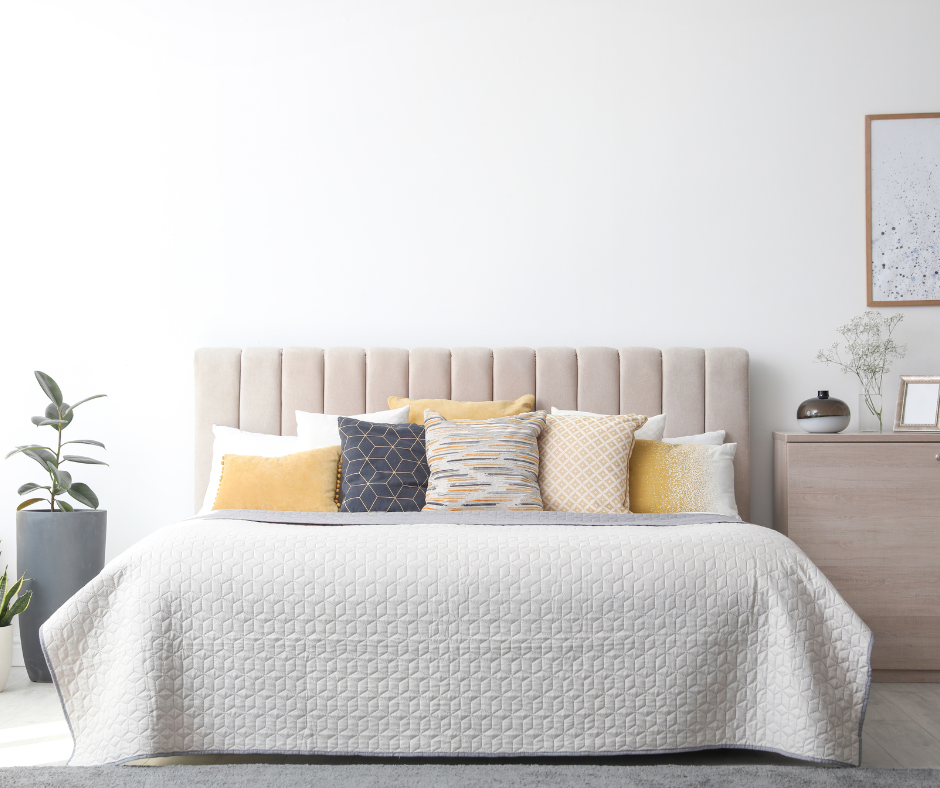
Your bedroom’s architecture should take your furniture into account. Bedroom floor plans usually have a bed wall — but what about dressers, nightstands, TVs, chairs and a desk? Work with your architect or designer to make sure there is enough space beside the bed for nightstands and ample circulation so you can access three sides of the mattress.
Increase Light and Ventilation
Locating your bedroom at the corner of your home can give you windows on two or more adjacent walls. This gives you the added benefit of cross ventilation and a softer natural light.
Take Your Time
Great design takes a while and usually requires refining before you come up with the perfect plan for your lifestyle. Don’t rush through the design — it’s worth taking a little extra time up front to make sure you have a more efficient and functional plan in the end.
The truth is, great design doesn’t necessarily mean a space that’s overly complex and expensive to build. A space that functions better, costs less to build, is more efficient to run and is easier to maintain can be an outstanding example of great design.
When it comes to creating a new kitchen, an island is a must-have for many homeowners, but how can you ensure yours is both beautiful and functional? Here are the 10 things to bear in mind to help you get this key element right.
1. Do Choose a Tough, Easy-Care Countertop Material
Kitchens are places of heavy traffic flow and productivity, so a good, durable natural or engineered stone for the countertop is crucial. You’ll also want it to be scratch-resistant and easy to clean — and the same goes for your cabinetry and floorboard materials. Choosing good-quality fixtures such as sinks and faucets is always preferred as they get so much use and need to last.
2. Do Get the Proportions Right
Getting the proportions of your island correct lets you work efficiently in the space and ensures that traffic flow is maintained.
Some key measurements to follow:
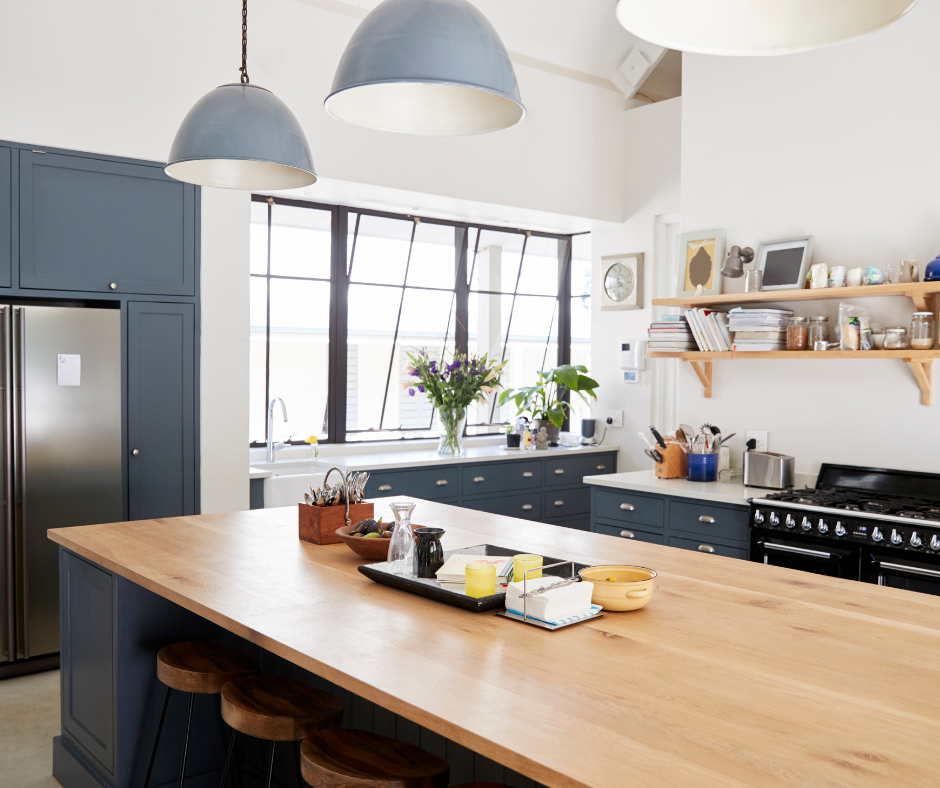
You want a minimum of 39 inches circulation space around the island.
The overall height of the island should be between 36 and 37 inches.
The minimum island width would ideally be about 36 inches and the length would be about 47 inches.
The countertop should be between three-fourths-inch and about 3 inches thick.
If you want to include bar stools around the island, you’ll need 12 inches of under-countertop space.
3. Don’t Forget Power Outlets and Appliances
There’s nothing worse than a beautiful piece of stone ruined by ill-considered power outlet locations. Think about how both sides of the island can be “working” sides, not just the “kitchen” side. Make sure power outlets and appliances are well-placed so they don’t dominate the appearance of the island, are easily accessed and make the functionality of all sides of the unit work really well. Consider what will be plugged in — it probably won’t just be a hand mixer, but also phone chargers, laptops and the like. A charging drawer for items such as these can be a smart inclusion.
4. Do Consider How You’ll Use the Island
If you like entertaining or eating everyday meals at a breakfast bar, then an island with more overhanging area and less cabinetry or storage underneath might be for you. Think about whether the sitting area needs to be closer to the fridge and pantry. This is another way of managing who is walking in and out of the kitchen, and who can be kept on the outside edges of the island — for safety as well as to avoid overcrowding in the kitchen.
5. Do Mix Materials
Too many kitchens have enormous islands that might provide a lot of countertop space but effectively take over the room and look like a big lump in the middle. Using different materials can break down the scale of an island. However, balance is the key — too many materials and details start to look messy and fussy.
When you’re choosing materials and colors for your island, make sure they harmonize with any hues in the adjoining rooms.
6. Do Make the Island as Long as Possible Without a Seam
Slabs of stone come in a range of lengths, but if your kitchen is big enough for one measuring about 118 inches by about 36 inches, you’ll have the perfect-size island for preparing food and entertaining. The maximum length of some brands and materials is 118 inches, so if you choose such a brand or material, keep the length at 118 inches or less, so the countertop can be made in one piece without a seam. Seams on islands are not aesthetically pleasing, so avoid this if you can. A minimum width of about 36 inches will enable you to have bar stools at the back of the island, so your family and friends can perch there to eat or marvel at your cooking.
7. Do Integrate Generous Drawers and a Pull-Out Bin
For functionality purposes, it’s a good idea to have your utensil drawer on the island and potentially your bowls and plates too. This gives easy access to the important everyday items you usually use an island for, such as serving up food.
Having your trash bin integrated into the island just below your work surface is another important functional element, as it allows you to scrape the scraps straight into the garbage. It also helps you stay part of the action with family or friends when cleaning up the kitchen, as you’re facing them and helps keep your floor mess-free.
8. Do Prioritize Functionality
Think about how you’ll be working in the space and include functional fixtures and storage to suit. If this is going to be your main preparation area, include plenty of clear countertop space and easy access to knives and chopping boards. Also ensure that your trash bin and sink are close by.
9. Do Consider Alternatives if You Don’t Have the Room
An island that’s too small will result in a cramped workspace, rendering it useless, so ensure you have enough room for it. If you’re working with a smaller space, a better option may be a peninsula unit, which has one short end butted up against a wall.
10. Don’t Be Afraid to Be Bold
An island can be a great place to make a statement, so if you’re eyeing some feature cabinetry or a bold cabinetry, then consider this your place to use it.
Maintaining a Zen-like space is about much more than style. It’s about cultivating a peaceful place where each object has a reason for being present, whether for its beauty, utility or both. Here are 10 ways to bring a peaceful, balanced feeling to your home.
1. Clear Surfaces Daily
Clutter is visual distraction. Every time your eyes land on a stack of papers, a tangle of jewelry or a pile of laundry, some small part of your mind is at work thinking about dealing with said items. If you want a calmer experience at home, a good way to begin is by making it routine to clear all the surfaces in your house daily. When your eye can skim across clean, clear surfaces throughout your home, it also becomes easier to stay focused on the present moment.
2. Declutter and Get Organized
It’s one thing to clear surfaces; it’s quite another to completely declutter your home. But when you have taken the time to go through every closet, drawer and cupboard and whittle down your belongings to the ones you truly need, love or both, a weight lifts. Daily tasks that used to take forever are streamlined; lost items are quickly found; important dates are no longer missed.
3. Get Some Help if You Need It
Sometimes it’s best to admit you need help and let the pros do what they do best. Hire a professional organizer to help clear that clutter, a decorator to help you tap into your style and get your home looking and feeling just the way you want, or an architect to redesign your space.
4. Incorporate the Five Elements
Don’t stop with potted plants — to really embrace nature in your home, make sure all five elements are represented. They are: water (images of water, a fountain, flowers in a bowl of water), earth (stone, plants), fire (candles, incense, fireplace), metal (furniture, tools) and wood (furniture, beams).
6. Use Fewer But More Meaningful Decorations
Instead of binging on inexpensive finds, aim to reduce your decor items to include only the ones that you truly love and that hold meaning for you. A few beautiful objects carefully displayed can be so inspiring — reducing allows you to appreciate what you have even more.
7. Soften Your Lighting
Learn to appreciate natural light and use it more. Even when the light starts to fade in the evening, consider sometimes lighting candles instead of flicking on the overheads. And speaking of overheads, if you haven’t done so yet, swap out all of your regular light switches for dimmers — it makes a world of difference to be able to control the glow.
8. Pay Attention to Texture
Do the objects in your home thrill your senses? Consider this as you declutter and whenever you are considering a new purchase. Think of how lovely a chunky, hand-thrown pottery mug feels in the hand versus a machine-made version. Natural materials have some of the best textures — bring more rough jute, nubby linen, cracked old leather, pure silk and raw wood into your home.
9. Use Natural Scents
Have you ever noticed that some of the most beautiful, inspiring shops usually also smell amazing? Or how just the first whiff of aromatherapy oils in a massage therapist’s office instantly puts you at ease? What you smell can have a surprisingly strong effect on how you feel. Create a purifying, calming atmosphere in your home by eschewing artificial fragrances and choosing natural scents like those from beeswax candles, essential oils, natural cleaning products and fresh garden flowers instead.
10. Use Everyday Reminders
In meditation practice sometimes a bell is used as a reminder to refocus your attention on the here and now. Create a list of some things you do multiple times each day, and pick one of them to use as your own version of a meditation bell. It could be anything, as long as it’s something you do often — adjust the window shades, wash your hands, pour a glass of water, check your email. Whenever you find yourself about to do that thing, take a moment to stop, breathe and simply be present.
Traditionally the vanity has taken on the bulk of bathroom storage, with an occasional assist from a medicine cabinet. But lately tower bathroom cabinets have been taking hold with homeowners. These tall cabinets are most often installed atop a counter or as a freestanding piece of furniture adjacent to a vanity. Tower cabinets offer handy storage at eye level and provide easy access. They are also a great place to conceal electrical outlets, whether inside or on the side of the cabinet. Take a look at seven handy ways design pros have helped their clients expand their bathroom storage with towers in a range of styles.
1. Stylish Division
In transitional-style bathroom, stacked two cabinets to divide the sink area from a makeup table area. These cabinets also anchor two floating shelves on the left. Countertop towers like this one provide storage at eye level, which is especially nice to include in a bathroom that doesn’t have room for a medicine cabinet. When placing a countertop cabinet between two areas like this, consider which side of the room it will serve the most. Then have the door open up to that side.
2. Linen Storage
When planning a contemporary renovation for your bathroom, you can put extra space for linen storage. Place a countertop tower in a corner to keep the room feeling as open as possible and integrate it into the design by matching the room’s coved ceiling molding around the top of the cabinet.
Install an electrical outlet on countertop cabinets rather than cluttering up the nice lines of a backsplash with it.
3. Backsplash Frame
Countertop cabinets can provide pleasing boundaries for a tiled wall backsplash. Careful measuring allowed the full size of the square tiles to fit between the mirror frame and the cabinets. Note the bottom drawers on the tower cabinets. They’re great for storing jewelry, electronic devices or everyday items like hairbrushes.
4. Full Height
The towers atop a vanity must be extend all the way up to the high ceiling in the bathroom, a scale that’s appropriate to the spacious bathroom. Indeed, the top cabinets are hard to reach, so they’re best for storing infrequently used items. But even if they remain empty, these upper cabinets are key to the pleasing proportions of the towers.
Countertop towers are to bathrooms what appliance garages are to kitchens. Outlets and pullout shelves installed inside make them great for storing and plugging in electric toothbrushes and shavers or for charging phones.
5. Display Space
A freestanding floor-to-ceiling furniture piece slides right into the bathroom is styled for display — it’s always nice to bring art and organic elements into a bathroom. But the open look also can be functional and attractive. Neatly folded towels and toiletries corralled into baskets would look great here as well. When planning for open shelves like this, add closed storage on the bottom to provide balance.
6. Symmetrical Arrangement
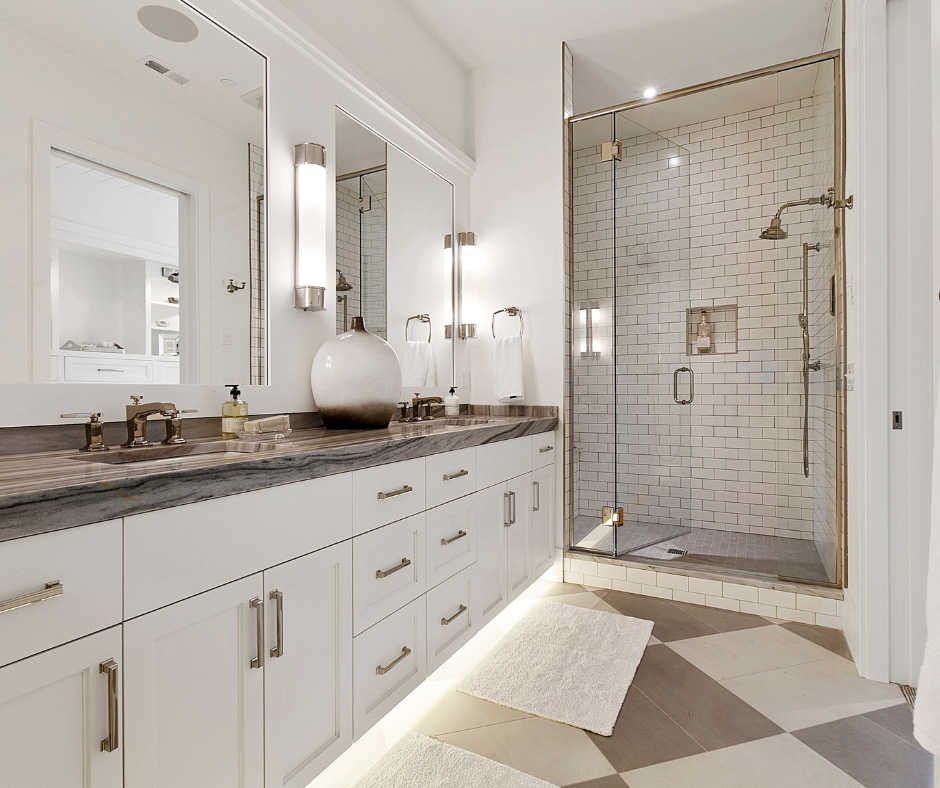
A design with flanked twin vanities with twin storage towers. This gives the cabinetry a more traditional furniture-like feel and provides symmetry that’s easy on the eye. Use the sides of towers to your advantage. You can also put a convenient spot for hand towel rings.
7. Handy Hampers
Often a hamper is a freestanding piece in a bathroom — an afterthought brought about through necessity. In this case the homeowners wanted to improve upon the laundry basket in the bottom of their closet. This tower provides two hampers that make collecting and sorting dirty laundry easy and attractive. Don’t forget to plan for a hamper or laundry chute when renovating a bathroom, laundry room or closet.
Like a blank page or canvas, an empty room can be either an opportunity or a challenge. With so many ways to fill it, how do you know where to start? I’ve taken some of the basic rules of furniture arrangement and distilled them into 10 simple tips. They’ll help you work with your interior designer to determine where to put things, where not to put things and how to prioritize the choices you make.
1. Think About How the Room Will Function
Consider how the room is used and how many people will use it. That will dictate the type of furnishings you’ll need and the amount of seating required.
2. Decide on a Focal Point
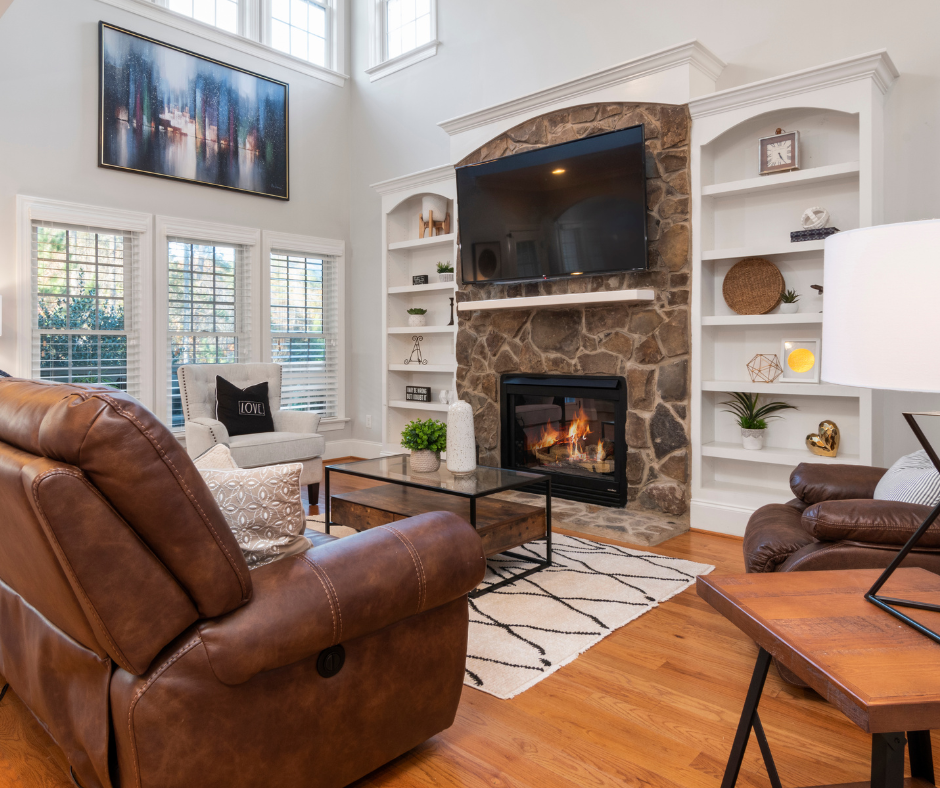
Identify the room’s focal point — a fireplace, view, television — and orient the furniture accordingly. If you plan to watch television in the room, the ideal distance between the set and the seating is three times the size of the screen (measured diagonally). Therefore, if you’ve got a 40-inch set, your chair should be 120 inches away.
3. Start With Priority Pieces
Place the largest pieces of furniture first, such as the sofa in the living room or the bed in the bedroom. In most cases this piece should face the room’s focal point. Chairs should be no more than 8 feet apart to facilitate conversation. Unless your room is especially small, avoid pushing all the furniture against the walls.
4. Consider Symmetry
Symmetrical arrangements work best for formal rooms. Asymmetrical arrangements make a room feel more casual.
5. Create a Traffic Flow
Think about the flow of traffic through the room — generally the path between doorways. Don’t block that path with any large pieces of furniture if you can avoid it. Allow 30 to 48 inches of width for major traffic routes and a minimum of 24 inches of width for minor ones.
Try to direct traffic around a seating group, not through the middle of it. If traffic cuts through the middle of the room, consider creating two small seating areas instead of one large one.
6. Aim for Variety
Vary the size of furniture pieces throughout the room, so your eyes move up and down as you scan the space. Balance a large or tall item by placing another piece of similar height across the room from it (or use art to replicate the scale). Avoid putting two tall pieces next to each other.
7. Build in Contrast
Combine straight and curved lines for contrast. If the furniture is modern and linear, throw in a round table for contrast. If the furniture is curvy, mix in an angular piece. Similarly, pair solids with voids: Combine a leggy chair with a solid side table, and a solid chair with a leggy table.
8. Design for Ease of Use
Place a table within easy reach of every seat, being sure to combine pieces of similar scale, and make sure every reading chair has an accompanying lamp. Coffee tables should be located 14 to 18 inches from a sofa to provide sufficient legroom.
9. Allow for Circulation
In a dining room, make sure there’s at least 48 inches between each edge of the table and the nearest wall or piece of furniture. If traffic doesn’t pass behind the chairs on one side of the table, 36 inches should suffice.
In bedrooms, allow at least 24 inches between the side of the bed and a wall, and at least 36 inches between the bed and a swinging door.
10. Do Your Planning
Give your back a break. Before you move any furniture, test your design on paper. Measure the room’s dimensions, noting the location of windows, doors, heat registers and electrical outlets, then draw up a floor plan on graph paper using cutouts to represent the furnishings. Or, better yet, use a digital room planner to draw the space and test various furniture configurations. It’s less work and a lot more fun.
Real Estate Investing Companies Let Newcomers Jump Into Rental Ownership
Investing in rental properties can be one of the best ways to build wealth. For one, it can provide you with a steady stream of income. Additionally, it can be a great way to build your wealth over time. And, if you choose the right property, it can appreciate, providing you with even more financial security down the road.
Previously real estate investing was only available to traditional investors with the resources to deal with all the fees, intermediaries, and jargon. But now, anyone can get in on this investment opportunity at a much lower entry point. Not only that, but it’s a way to help achieve the double whammy potential of investing: portfolio growth and stability.
Ordinary investors have new opportunities to make money from rental properties by investing as little as $100 per share.
How it works
Companies offer a selection of pre-vetted homes that have the potential to generate income for investors. Investors browse available houses to get started and then choose to invest in shares. Investors then review the terms, sign an online contract, and fund the investment by linking their bank accounts.
Once you set everything up, investors collect a share of net rental income and participate in property value appreciation. Home investment companies focus on single-family rentals, which have become one of the most sought-after assets in today’s real estate market. The pandemic led to high demand for rental homes, as people moved to new locations that provided a lower cost of living and higher quality of life. The companies give people an opportunity they might otherwise have and often draw first-time rental property owners to invest.
Investment benefits
Here are some of the top benefits of investing in rental properties:
1. Low minimum investment
2. Diversify your investments by investing in multiple properties
3. No operational responsibility for the home
4. Passive and consistent income
5. No responsibility to vet tenants
6. No personal liability
7. Access to lucrative markets
Investment risks
But of course, no investment is without risks.
The most common risk with rental property is a vacancy. If a unit sits vacant for too long, it can eat into profits. The most significant risk associated with investing in rental properties is the potential for declining property values. If the property value decreases, the value of your investment will also decrease.
However, as long as you continue to receive rental income from the property, you will not “lose money” on your investment unless you sell it.
The housing market is tight today, because there are more people looking for homes than there are homes available. Added to this reality is the fact that new home construction is stalling. Therefore, it’s more of a seller’s market now than a buyer’s market. This can make it tricky to find a good mortgage when you finally do find the home of your dreams.
That’s why it’s important to remember these five things when you are shopping for a mortgage:
Trust Your Local Choosing a lender within your community will do you a big favor. They’ll have a better understanding of your market. They’ll also have extensive experience and connections with reputable people such as appraisers and local real estate professionals. This way, the process will be made more accessible.
Be Sure to Get a Pre-Approval Letter You have found your dream home, but now you need the right funding to buy it.The pre-approval letter will give you a good idea as to how big of a loan you will likely receive from a lender. You will also be in a better position to close the deal on the big day. Either you or the mortgage company will provide the lender with certain documents that will verify your total income and personal assets.
Evaluate The Quality Of Customer Service Loan companies are providing you with a valuable service when they evaluate you for a loan. The truth is that larger companies are better at providing great service, but smaller companies can provide great rates. It does, therefore, pay to do your ‘homework’ before choosing a lending company. Be sure to pay attention to things like rates and level/quality of service that each lender provides.Keep in mind that rates can change on a daily basis. That’s why you want to get quotes and rates on the same day whenever possible. Be inquisitive as to how fast the lender can process your loan. Also, be sure to rate their customer service reps for responsiveness, knowledge, and professionalism.
A Proven Track Record Always go for a lender that’s highly recommended by the people you know. A reputable company will also have positive customer reviews and testimonials from past and existing clients.
Honest Rates and Fees It’d help if you chose a lender that is transparent about their rates and fees. You’ll rest assured knowing there will be no surprises or unexplained additional costs.
In this article we will provide you with the 9 best home selling tips 2022 to make sure that you sell your property at the maximum price possible.
Are you getting your house ready to sell? While the 2022 US housing market is currently a seller’s market, you still need to prepare your home to attract qualified real estate investors or home buyers and get a good price. Location, staging, and partnering with the right realtor can all affect the outcome of your property sale. The last thing you want is to have to drop your asking price due to minor details that could have been addressed before your property for sale hit the market.
In 2022, it has been projected that there will be a national increase in house sales by at least 6.6%. This means that there is a higher demand for properties at the moment, boosting your chances of selling your house rather quickly. However, the current seller’s market is still a competitive one depending on your location, so you will still need to make small repairs and changes to make your home stand out to potential buyers. While this may require a bit of work upfront, it will pay off tenfold down the line.
To ensure that you are on the right path, here are a few home selling tips this 2022 that you should be aware of when listing and real estate tips for sellers that will surely get your property sold in no time.
Home Selling Tips 2022: What Do Buyers Look for in a Home?
Before getting into the nitty-gritty of specifics of the best home selling tips 2022 and how to fix up your house, you should be aware of what potential buyers are looking for in your home or income property for sale. Though each buyer will have a different set of needs and wants when looking into investing in real estate, these are the common things that everyone will be considering when looking at your property:
1. Property Price
Before buying a home or an investment property, most people will have a budget on what they can afford to spend on prospective properties. This may be out of pocket or based on a pre-approved loan, but regardless of their payment methods, if your house is listed too high, they may not even consider viewing it, much less buying it.
Additionally, you have to match your price to the value of your home while still making a return on investment. Potential buyers want to feel like they got a good deal when buying your property. This means that while you would like to sell your house for double the price to get good real estate appreciation, you will have to consider the median property price in your local housing market, the structure of your home, the location, and other factors that can play into pricing to justify your asking price. Having a high asking price with little to show for it will scare potential buyers off and prolong the selling period on your home.
2. House Age
A common question for potential buyers is how old the home is or when it was built. While some real estate investors are looking for fixer-uppers, newer houses provide a sense of security to buyers that the property will have the technologies and features that have become necessary in modern-day life as is. Additionally, older houses will need more repairs that the buyer will have to shoulder out of pocket, while newer houses will require fewer renovations though will usually yield a higher sticker price upfront.
3. Home Appliances
Similar to the actual age of the property structure, potential buyers will look into the appliances included in the home. While you may not need to include the newest trendy appliances in your home, the staples like a stove, dishwasher, laundry machine, heaters, and others would definitely benefit the selling process of your home. Aside from simply having these things in your home, buyers will assess its condition as appliances are expensive to replace and will most likely try to negotiate a lower price if any major appliances are older or barely functional.
If you choose to forgo including appliances when selling your home, buyers will most likely look that you at least have the provisions like an outlet or existing water line to install other appliances down the road.
4. Lot Size and Shape
While you may be looking at the property structure only, potential buyers will be taking note of the lot it’s built on as well. The lot shape, size, and distance from other houses will all come into play when potential buyers are considering placing an offer on your home. If your home is built on a bigger lot, this may be seen as a key selling point as it offers more privacy and even the option to expand the home later on with a mother in law house, for example.
5. Number of Bedrooms and Bathrooms
Each potential buyer will have a different number for the number of bedrooms and bathrooms that their family would need in an ideal home. While this may be a bit hard to adjust to, most buyers will look for at least 2 bedrooms and 2 bathrooms on average. Depending on the family’s size, this number may increase or decrease. It would also be beneficial if there were spare rooms that could later be transformed into a bedroom as this provides the buyer with the possibility of expansion in the home.
Meanwhile, selling a duplex or a triplex – or another multi family property – might attract investors who are looking for house hacking options.
Top Home Selling Tips 2022: How to Prepare Your Property
While things like lot size and the number of rooms may be harder to alter when selling your home, the following house selling tips will address the main concerns of potential buyers and what they commonly look for in a home. Here are the top home selling tips 2022:
1. Price at a Reasonable Market Value
As mentioned earlier, price is one of the things potential buyers look at when investing in real estate. While making money in real estate is your primary goal in selling your home, you cannot just price your property at any rate you want. You should look at local listings, scout other properties for sale in your area and gauge the current selling prices of homes with similar features to yours. This could be a similar number of rooms, lot size, amenities, furnishings, and other factors. In the real estate industry, this is known as comparative market analysis, or CMA for short. The important thing is that you don’t overprice your home for sale as it won’t sell or underprice your property as it will lead to a smaller return on investment.
The only time you should aim for a slightly lower asking price is if you need the cash from the sale immediately. This will more likely make your listing more competitive compared to other listings at market value.
If you’re not a real estate expert and don’t want to spend weeks collecting all the data and analytics you need to price your property right, you can use the Mashvisor real estate app to search for similar properties in your area. Comparing them to your home for sale and checking their listing prices will help you price your property at the best rate.
2. Know Where to List Your Property
Now that you have an idea of how to calculate your asking price, you will need to gather some more real estate data and list it accordingly. While there are many real estate websites, not all of them are created equal, so you will need to find out the best places to list your property to attract the kind of investors you want. The Mashvisor Property Marketplace offers a great option for people who want to gain access to real estate data while attracting an array of different investors. The best part is that whether you are having an agent list your home for sale or doing it yourself, putting your property up for sale on Mashvisor gives you exposure to thousands of investors across the US market.
3. Hire a Top Realtor in Your Market
Even if you renovate your entire home and include the latest appliances, working with a bad realtor real estate agent may cause you to lose out on a potential sale. Realtors will heavily affect the buying experience of potential investors when they enter your home. If they are ill-informed about your property and the area, it may turn buyers off from your property and direct them to other properties with better-equipped agents.
It is also important to note that a good realtor does not just show the house to potential buyers. A good real estate agent is key in upselling your home and guiding you through the selling process. Having additional services like marketing, negotiation mediation, contract signing, and others all contribute to a good realtor and can save you quite a bit of stress, time, and money.
4. Have Good Quality Photos of Your Home
Before potential buyers even consider physically looking at your home, they will be looking at the pictures you provide in the listing. This is why it is quite important that you have high quality – if not professional – photos of your property. No matter how great your home for sale is, if that is not translated into photos, rarely will you spark enough interest online for people to view your house.
In addition to drawing more interest, listings with good pictures can actually command higher selling prices as well. According to the Washington Post, house listings with professional photos not only have 47% higher price tags but are also sell 32% faster than the average house listing. So, while professional photos may cost around $100 per hour on average, they could significantly boost the selling price of your home.
5. Clean Your Property Thoroughly Before Open Houses
You should clean your home thoroughly before a showing to sell fast and at a good price.
This may be a no-brainer, but you’d be surprised at how many people do not tidy up before showing their property to potential investors. Having a clean house gives a better first impression and will draw potential buyers in more as compared to a cluttered home. Additionally, if your home is on the smaller side, cleaning it and removing clutter could make it appear bigger to potential buyers. While this may be a very small detail, with each show you want to create the most inviting and alluring environment in your home, and that starts with it being clean.
6. Keep Decorations Neutral
One of the best home selling tips 2022 is to keep your home decorations neutral, especially when it comes to showing political stances. Political beliefs and preconceived notions run deep, and while it may seem unlikely, potential buyers may automatically disregard your home in their decision process because of your beliefs. Removing all objects that support any political, religious, or social issue can help remove possible prejudice or personal beliefs from being a factor in the selling process of your home.
7. Make Minor Updates to the Main Parts of Your Home
You do not need to renovate the whole property before listing it, but adding a few repairs and updates to the main living areas may boost the price you can list it for. Focus on areas like the kitchen, bathroom, and living room, as these are the places people will be spending the most time in. It also does not have to be the entire room, you can make small upgrades to cabinets, faucets, or tiles and still reap the benefits of an upgraded room during the selling process. It has been shown that remodeled kitchens could actually yield a return of investment of as much as 85 %.
8. Don’t Still Be Living in the Home If Possible
While it may not be possible for everyone, if you can vacate the premises, it could make a world of difference when potential buyers view your home. No longer living on the property and removing personal items around you gives investors the opportunity to freely inspect the home from rooms to cabinets without feeling like they are invading someone else’s privacy. If you cannot completely vacate the property, the next best thing is to not be there during the showing to give potential buyers the same freedom to inspect as they please.
9. Know When to Sell
Perhaps one of the most underrated home selling tips 2022 is knowing when to sell. As the saying goes, timing is everything. While there is demand for homes at the moment, when you sell can be a major factor in the selling price. According to Zillow, if you are trying to make a quick sale, then you should probably list your home sometime around March. However, if you are looking to sell your home for the highest possible price, July may be a better time for you to list your home.
And while it’s possible to successfully navigate a seller’s market, you have to be strategic: “You don’t want to end up in a position where you’re rushing to buy a house. People are acting like it’s their last chance, and it’s not their last chance. There will still be houses next year,” says Jennifer Beeston, a mortgage educator and senior vice president of mortgage lending at Guaranteed Rate.
Buying a house is a major commitment, and likely the biggest purchase you’ll ever make. The best way to ensure you get the house of your dreams and avoid any costly mistakes is to understand the homebuying process and make sure you’re financially prepared for homeownership before you start.
Despite housing market competition reaching record highs, it’s possible to find and purchase your dream home with a little preparation. From assessing your financial situation to navigating the mortgage process to closing on a home, here are the 15 steps to buying a house:
Buying a home is a big life change, and it comes with countless factors to consider. First, take a big-picture look at your financial standing, career goals, and location. Then evaluate whether you’re ready to buy a home and why you want to.
Are you financially ready to make one of the largest purchases of your life? Is the real estate market competitive where you want to live? Will buying a home make you happier? Many of these factors will determine what type of home you buy, where you buy it, and whether you’re committed to taking the leap from renting to paying a mortgage.
While average home prices and mortgage rates can affect what you pay for a house and how much house you can afford, you shouldn’t let market factors like these dictate whether you buy a house or not. Ultimately, your decision should be based on whether owning a home fits with your individual needs and abilities.
Should I Rent or Buy?
2. Make Sure You’re Not Tied to a Lease
If you’re a renter thinking about buying a new home, you’ll need to plan accordingly. That means you’ll either need to wait until your lease is up or break your lease early. Breaking your lease early could result in stiff fines and penalties, if your landlord allows you to at all.
“If you need a house and you’re in a position to buy a house, then it’s great. If you’re trying to break leases or really push to get in a house when you’re not ready, you need to get ready first,” Beeston says.
3. Check Your Credit Score and Credit Report
Your credit score plays a big role in buying a house. It tells lenders how risky you are to lend money to, which determines what loans and interest rates you qualify for.
Generally, a credit score of 620 or more will help you qualify for better loan terms. You may be able to qualify for a mortgage with a credit score less than 600, but a lower credit score will often lead to a higher interest rate, raising the cost of borrowing.
You’ll see the lowest interest rates and most favorable terms with credit scores closer to 850, a perfect credit score. You can usually access your credit score for free through your credit card company — check your monthly bank statement or log into your account online to see what your score is before you apply for a mortgage.
Aside from your credit score, be sure to check your credit report as well. Your credit report is a full record of your credit history, from new credit applications to late or missed payments. If you notice any errors on your credit report, dispute them with the credit bureaus promptly. You can check your credit score for free at AnnualCreditReport.com.
4. Save For a Down Payment and Closing Costs
To buy a house, you’ll need enough to cover a down payment and closing costs. Typically, that’s at least tens of thousands of dollars. Saving up that much for a house can feel overwhelming, but it’s more straightforward when you have a plan.
The median down payment among all homebuyers in 2021 was 12%, according to a National Realtors Association (NAR) survey. But if you can, you should really put 20% down on a house, according to Bernadette Joy, founder of Crush Your Money Goals and contributor to NextAdvisor. With a 20% down payment, you’ll build equity faster, pay lower monthly payments because you’re financing less, and you can avoid private mortgage insurance (PMI) — an extra cost your lender tacks on to your monthly payment when you don’t put 20% down.
At a minimum, you should be prepared to put at least 3.5% down, which is the requirement for many government-backed loans.
Here are some examples of recommended and minimum down payment amounts for different home prices:
Your lender is going to want to see a history of your income to make sure your income source is stable and reliable. It’s important to hand over the right documentation to show steady employment.
If you’re employed by a company, recent pay stubs and W-2s will do. If you’re a freelancer or self-employed, on the other hand, you’ll need to submit your tax returns as well as any other documents the lender asks of you.
Generally, you should keep your total housing expenses below 30% of your take-home pay, says financial journalist and NextAdvisor contributor Farnoosh Torabi.
Start by calculating your debt-to-income ratio — a comparison of your current debts to what you bring home after taxes. This can give you a snapshot of how much money you can afford to spend each month on a mortgage.
It’s important to factor all these expenses into your monthly budget. NextAdvisor’s mortgage calculator is a helpful tool to determine how much debt you’ll be able to take on responsibly. You can adjust various inputs, like the term of your loan or a lower interest rate, to see how each influences your monthly payment.
You may qualify for more than you can afford. If that’s the case, don’t consider the amount you qualify for, but rather the amount that makes sense for your budget, Beeston says.
“You have to remember that you don’t live in the purchase price — you live in your monthly payments,” Ryan Serhant, a New York real-estate veteran and star of “Million Dollar Listing New York,” previously told NextAdvisor.
7. Find the Right Mortgage Lender and Loan Type
Shopping around is key to finding the best mortgage lender for you. Research different mortgage lenders such as banks, online lenders, and credit unions, among others. Knowing all of your options can help you make the right decision.
Find a lender that’s easy to work with, knows the area you’re looking to buy in, answers all your questions, and informs you every step of the way about the homebuying process—especially if you’re a first-time homebuyer.
Also, pay attention to the rate and fee differences among lenders, and factor those costs into your budget. Rates and fees can differ among lenders, even for the same applicant, so be sure you’re shopping around and comparing your options before you settle on one — even a 0.5% difference in the interest rate can save you thousands of dollars over the life of the loan.
8. Get Preapproved for a Mortgage
Many homebuyers don’t start thinking about financing until after they’ve found a home they want to purchase, but that’s a rookie mistake.
Once you’ve found a mortgage lender, the next step is to apply to get preapproved for a mortgage. This typically involves undergoing a credit check and answering questions about your monthly income, your assets, and the home you want to buy.
During the mortgage preapproval process, be prepared to prove multiple times that you can pay a mortgage. Lenders may take extra steps to verify each borrower’s employment status, up until the mortgage loan is finalized.
For instance, some sellers may ask for a preapproval letter to let a prospective buyer tour the property. A preapproval letter — which typically is valid for up to 90 days — shows sellers how serious you are about buying; it means a lender has already verified important financial information about you, and you know exactly how much you can afford.
9. Hire the Right Real Estate Agent For You
A good real estate agent will represent you and your best interests throughout the entire home-buying process, from start to finish. Your agent can help you find homes that meet your budget, help you write offers, negotiate, and more.
If you’re unsure where to start, ask your friends and family for recommendations. You can also search online or on social media for real estate agents in your area. Schedule phone calls with a few prospects to get a sense of their experience and see if they mesh well with your personality. Don’t be afraid to ask tough questions, and make sure the agent is familiar with the area and understands your budget needs.
“You want someone who is a local expert,” Beeston says. “They need to know the market inside and out. They need to be a full-time [real estate agent]. Ideally, you want someone who you get along with really well because you’re going to be dealing with this person in an intense manner for as long as you’re shopping with them,” she adds.
The cost of working with a real estate agent comes out of the seller’s profit. Typically, the seller will pay the agent’s commission (roughly 6% of the purchase price, split between the buyer’s and the seller’s agent). However, the seller may factor the cost of the real estate agent’s commission into the house’s sale price.
10. Start House Hunting
Finding the house of your dreams comes easier when you’re well-prepared. Make a list of your must-haves for buying a home, like price range, square footage, number of bedrooms and bathrooms, condition of the home, neighborhood, and property value trends, among other things.
The pandemic — and the changes in lifestyle and desires it’s sparked in many people — has changed some of these parameters.
“If you’re going to be quarantined and you’re in the city, you’re stuck in 1,000 square feet. So we have seen a lot of buyers come into our area from the city — not only because of the interest rates but because they also don’t want to be quarantined in that small space,” says Adriana Buenrostro, a Realtor with Prosper Real Estate in Sonoma County, California.
Your real estate agent can help you find houses within your budget and take you to see them in person. You can also let your agent know which specific houses you’d like to see.
11. Make An Offer On A House
When you’re ready to buy a house, your real estate agent will submit an offer letter in writing. There are several provisions included in the offer letter, but most importantly, it states the price you’re willing to pay for the home and a deadline for the seller to respond to your offer.
Your offer could get accepted or rejected, or the seller may make a counteroffer. The outcome of your offer will determine how you and your agent proceed. If rejected, you’ll have to move onto another property.
If the seller comes back with a counteroffer, which means there’s likely been a change in the purchase price or terms, you’ll have the option to accept, reject, or make another counteroffer. Negotiations may continue for a while after you submit your offer.
If accepted, you can move forward with a purchase contract to complete the deal and proceed to the next steps.
In most cases, you’ll need to deposit earnest money — a sum of money to show good faith, which you could lose if you back out of the deal. Think of it like a security deposit for the home you’re about to buy. The earnest money can be held in an escrow account by a third party specified in the contract, such as a real estate company or lawyer, until closing.
Housing demand has increased significantly in the suburbs of metropolitan areas like New York City, Washington D.C., and Los Angeles, meaning sellers are getting multiple offers. In these types of markets, Beeston says you may face a lot of rejection, and your agent may have to write 10 to 15 offers before one is accepted.
Farnoosh Torabi, host of the “So Money” podcast, previously shared with NextAdvisor her best advice for making your offer stand out in a competitive market: “Offer what you can afford — not a penny over — but sweeten the deal by offering to close as soon as possible,” Torabi wrote.
12. Get a Home Inspection and Appraisal
Assuming your offer is accepted, you’ll need to get an appraisal and a home inspection. An appraisal gives you a solid understanding of the home’s value before you fully commit to purchasing it, while a home inspection will tell you the home’s condition — and any existing issues with the house.
“The appraisal will probably be required, the inspection not so much, but you’d be doing yourself a disservice by not having one done by a qualified expert,” David Bakke, personal finance expert and author, previously told NextAdvisor.
Most people pay between $313 and $420 for an appraisal, according to HomeAdvisor, although some could pay as little as $250 or as much as $600 to $1,000. Depending on the size of the home, expect to spend anywhere between $200 to $400 for a home inspection, according to HomeAdvisor.
In this competitive market, you may be tempted to waive the home inspection contingency to close sooner or make your offer more attractive. However, doing so can come with significant risks. Once you close on a house, it’s your responsibility — and you’ll be liable for any costly repairs you didn’t catch initially.
13. Secure Your Financing
Mortgage underwriting can be completed fairly quickly — but it could also take a couple of months, depending on your situation and how busy the lender is. The entire closing process typically takes a total of 30 to 45 days.
To get final loan approval, it’s critical to keep your finances and credit in order during the underwriting process. That means no large purchases, late payments, or sudden changes to your credit.
Your lender may ask you for more paperwork during the underwriting process to see if anything has significantly changed since preapproval. You may be asked for bank statements, tax returns, or additional proof of income. If so, respond promptly.
Once you officially apply for a mortgage, your lender is required by law to provide you with a loan estimate within three business days of receiving your application. This document will detail the fees, interest rate, and all other costs associated with your mortgage. Be sure to read the loan estimate carefully and ask your lender if you have any questions.
14. Do a Final Walk Through
You’ll also need to do a final walk through of the house you’re about to buy. It’s a chance for you and your agent to see every inch of the house and make sure everything looks and works as it should.
Try to schedule your final walk through as close to the closing date as possible, such as the morning of your closing day. Make sure that there is no damage to the property and there’s nothing missing — for example, appliances that you and the seller agreed would come with the house.
If you’ve had a professional home inspection and appraisal like experts recommend, you likely won’t find any big problems on your final walk through. Still, be sure to stay alert, do your due diligence, and take this last chance to ask questions about anything you’re still uncertain about.
15. Sign the Papers and Close the Sale
You’ve made it to closing, the very last step in the home-buying process. Expect to pay your closing costs, get your new house keys, and sign a big pile of paperwork.
Before you close, your lender will provide you with a closing disclosure, which serves as a final summary for all the costs associated with your home loan. In it, you’ll find information about the loan amount and terms, fees and payments, and closing costs. Be sure to check the closing disclosure against the information in your loan estimate form, and ask your lender about any discrepancies before you sign.
After you sign everything, the closing agent will file the paperwork with your county recorder or register of deeds office to make it official.
Once that’s complete, you’re officially a homeowner. You’ve come a long way, but after closing and moving, there’s one more important task: making your first mortgage payment on time. It’s usually due one month after you’ve closed, which gives you some time to plan and prepare.
Now Trending is our one-stop spot to get ahead of all of the biggest things for 2022 — before everyone else knows about them.
From the surprising color that’s taking over kitchens to the TikTokers you need to follow and so much more, check out all of the top trends of 2022.
‘This is the season for putting together wish lists. So, I thought I’d pose the question to real estate agents:
“What do you hope to see more of in 2022?”
More inventory is high on their wish lists, but so too are trends like re-thinking how we tour homes — and use garages. Here are the real estate trends they’re hoping emerge or pick up more traction in the upcoming year.
1. 3D Tours
Since the emergence of COVID-19, we’ve embraced elaborate property websites that go far beyond a few listing photos. Now, they have complete floor plans and 3D video tours. “We did this because many people were submitting offers on homes without even seeing them in-person,” says Julie Upton, a real estate advisor with Compass in the San Francisco Bay area. “We needed tools to help buyers get a real feel for living in the home without stepping foot in it.” She hopes this trend continues, she says, because it’s a great method for buyers to pre-screen properties. This way, they can only go see homes in person that seem like a good fit for them.
2. More Inventory
Housing inventory has been squeezed, which, along with record-low interest rates, has fueled the homebuying frenzy of 2020 and 2021. In fact, the United States is short 5.24 million homes, according to a report from Realtor.com. New home construction is sluggish, millennials are snapping up houses, and wealthier individuals are buying second and third homes, which are all factors compounding the shortage, explains Upton. In Northern California, she’s seeing investors purchase single-family homes as rental properties because the rental market is so strong, she says. This lack of supply is driving up prices and leading to multiple offers, Upton points out. Her hope for 2022? For more homes to help keep pace with buyer demand.
3. Pre-Sale Inspections
In this fast-paced market, it’s becoming more normal for sellers to provide property inspection reports prior to going on the open market. This is great for sellers, because buyers are able to write offers that are not contingent upon further property inspections, Upton says. This can potentially be a good compromise, as real estate agents advise against waiving a property inspection altogether in an attempt to help your offer stand out. (You want to know about any imminent or past due repairs!) Pre-sale inspections also help the seller know that the buyer is not going to come back and want a credit based on something they found on the inspection — or back out of the deal altogether — because everything is out in the open from the onset, Upton says.
4. Cozy Over Curated
Marie Bromberg, a licensed real estate salesperson with Compass in New York City, says she’s starting to take note of a new emphasis on soft and cozy spaces. “It’s no surprise that in 2021 everyone was talking about hygge and how they could make their homes more cozy,” Bromberg says. “I see a lot of listings now that have less-than-perfect beds on purpose, and I think this is a great trend that hopefully continues to 2022.”
5. More ADUs (and Re-Thinking Garages)
In general, Anthony Marguleas, owner of Amalfi Estates in Los Angeles, says he’d like to see more non-conventional floor plans, like family rooms on each level instead of just the main floor. He’s also seeing a lot more accessory dwelling units being built, which can be used as anything from home offices to guest houses to play rooms, or workout studios. He’d also like to see people rethink their garages. “With less people driving to work, there’s less need for garages, which can be converted to livable space,” he says. And with real estate being so expensive, those 400 square feet are quite valuable.
6. Beautiful Outdoor Spaces
People are spending a lot of time outside during COVID-19, so outdoor living spaces are no longer an afterthought. Marguleas says he wants to see more emphasis on landscape design, with fountains and ponds creating a serene backyard oasis. For small backyards, living plant walls are a great way to infuse greenery, he says.
7. Renovated Homes on the Market
“I want to see more updated kitchens and bathrooms,” says Glen Pizzolorusso, a licensed associate real estate broker with Compass in Fairfield County, Connecticut. He said he’s noticed too many listings with dated kitchens and baths that just aren’t on par with recently remodeled homes. If the asking price will be the highest sale in the neighborhood, the house should be freshly renovated, Pizzolorusso says.
8. Fewer Buzzwords
If you’ve dipped your toe in the real estate market in the last year, you’ve probably heard the buzzwords like “crazy market!” and anecdotes about homes that sold in hours — or had 15 offers. But Katie Messenger, a Realtor with the Bello Dimora Group of Keller Williams Louisville East in Louisville, Kentucky, says this can create an element of unnecessary fear for not just buyers, but also sellers. “For a seller who’s concerned about selling and buying simultaneously, seeing homes sell that much over asking price and that quickly may cause them to worry about being displaced,” she says. Messenger says she wants to see agents controlling the narrative a bit better in 2022 and help buyers and sellers problem-solve in this market.
9. More Affordable New-Construction Homes
With the rising cost of materials, building a “first-time buyer” house is hard. It’s not profitable for builders, but there is a real need for them, Messenger says. “Resale homes are appreciating, and unless there are some major changes in wages, the first-time price point won’t exist any more, unless it’s built brand new,” she says. This would require builders to find a way to build in the $175,000 to $250,000 price range — as opposed to focusing on just custom builds and larger, more expensive new builds, Messenger says.
10. Multi-Use Spaces That Stick Around
During the pandemic, homes began working overtime, serving not just as living spaces but also makeshift classrooms, gyms, and offices. Having a living room that functions as a home office or school space has become common, says Cheryl Nightingale, a licensed real estate agent based in Sacramento, California. “While the open floor plan with tons of natural light will always be a showstopper, having the ability to create ‘nook’ space has more value than ever before,” she says.

 Facebook
 X
X
 Pinterest
 Copy Link







9. Use Natural Scents
Have you ever noticed that some of the most beautiful, inspiring shops usually also smell amazing? Or how just the first whiff of aromatherapy oils in a massage therapist’s office instantly puts you at ease? What you smell can have a surprisingly strong effect on how you feel. Create a purifying, calming atmosphere in your home by eschewing artificial fragrances and choosing natural scents like those from beeswax candles, essential oils, natural cleaning products and fresh garden flowers instead.